
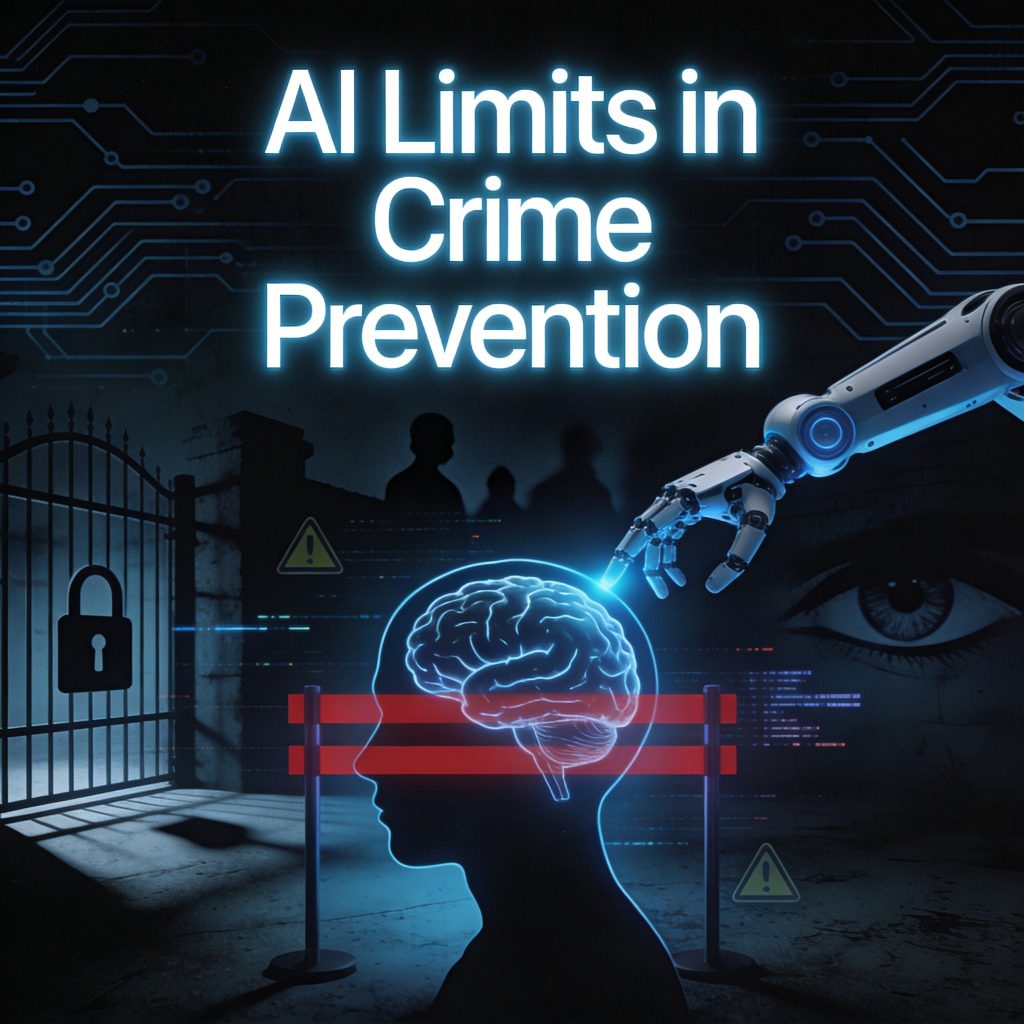
AI Limits in Crime Prevention
Shamir Rajadurai explores AI’s role in crime prevention, debunking hype around its standalone power. While AI excels in pattern detection, it falters without human insight into criminal psychology. Misconceptions portray AI as a cure-all, but Shamir stresses integration with CPTED (Crime Prevention Through Environmental Design) and grassroots data for real efficacy.
His post, linked to PDRM discussions, highlights limitations: AI can’t grasp nuanced motives or adapt to evolving tactics like opportunistic thefts. As ICA Director, Shamir advocates hybrid models—AI for surveillance, humans for context. This aligns with his 15+ years at Prevent Crime Now, where tech augments, not replaces, behavioral analysis.
Practical steps: Audit AI tools for biases, train teams on criminal mindsets, and layer with physical designs like better lighting. Policymakers should fund ethical AI pilots, measuring outcomes beyond metrics. Shamir’s view: Technology amplifies smart prevention, but overreliance invites blind spots. Build resilient systems that evolve with threats.