The security landscape is shifting faster than ever. As organizational threats become more complex, shifting our focus from standard reactive measures to proactive prevention isn’t just an advantage—it is an absolute necessity.
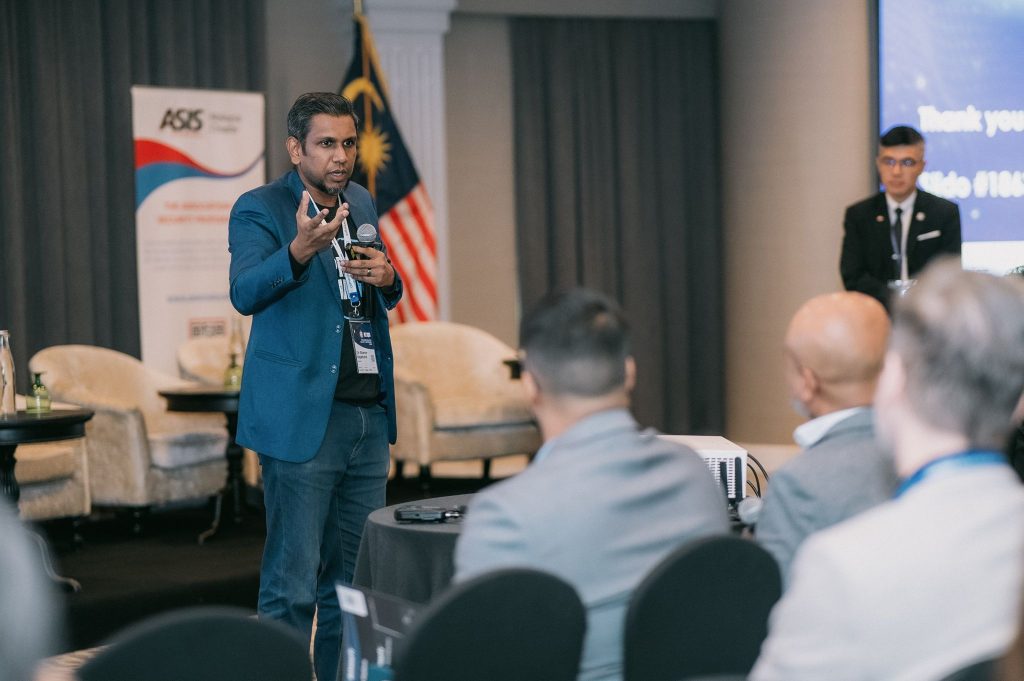
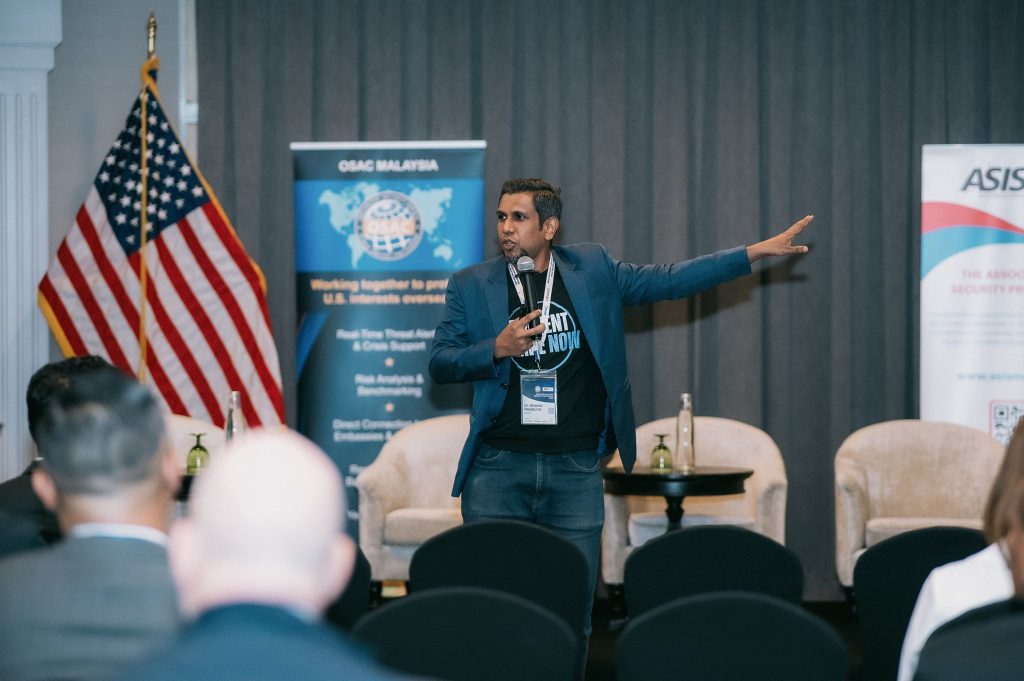
I recently had the absolute privilege of speaking at the OSAC–ASIS Malaysia Security Conference 2026, where I connected with a massive network of seasoned professionals who bring an incredible wealth of experience to the industry. The energy in the room made one thing clear: the future of corporate and community security relies heavily on collective collaboration.
Designing Out Crime: The Power of CPTED
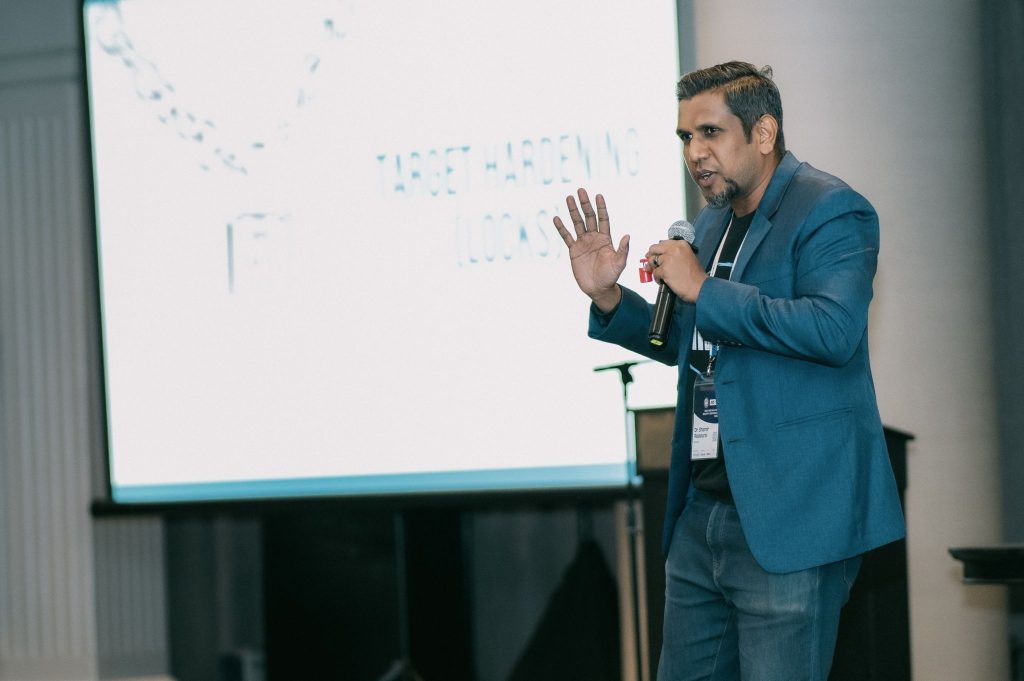
During the conference, I had the pleasure of presenting on Crime Prevention Through Environmental Design (CPTED).
For those unfamiliar with the framework, CPTED is a multidisciplinary approach that uses architectural design and the management of built environments to deter criminal behavior. By strategically adjusting physical spaces—focusing on natural surveillance, access control, and territorial reinforcement—we can dramatically reduce both the opportunity for crime and the fear of it.
          ┌─────────────────────────────────────────┐
          │     CPTED Core Pillars of Defense       │
          └────────────────────┬────────────────────┘
                               │
         ┌─────────────────────┼─────────────────────┐
         ▼                     ▼                     ▼
┌─────────────────┐   ┌─────────────────┐   ┌─────────────────┐
│     Natural     │   │     Natural     │   │   Territorial   │
│  Surveillance   │   │ Access Control  │   │  Reinforcement  │
│                 │   │                 │   │                 │
│ Maximizing lines│   │Guiding people via│   │Clear boundaries │
│ of sight & light│   │defined pathways │   │  express pride  │
│  to deter bad   │   │  and structures │   │  and ownership  │
│    actors.      │   │                 │   │   of a space.   │
└─────────────────┘   └─────────────────┘   └─────────────────┘
In my session, we broke down how organizations can practically integrate CPTED design principles directly into their current layout frameworks. True physical security isn’t about building higher walls after a breach; it’s about shaping the environment to stop threats before they even materialize.
A Collaborative Effort
An event of this scale requires a massive amount of behind-the-scenes teamwork to pull off seamlessly. I want to extend my heartfelt thanks to the key leaders who made this entire day possible:
- Chris Chan Zhijian (ASIS President) and Victor Lim Kok Hooi, CPP, CBCP, CRMP (OSAC Co-Chair): Thank you both for the kind invitation and for providing me the platform to share these vital insights with the community.
- Taqiuddin Ahmad Kendong, PSP: A huge shoutout for keeping everything running flawlessly on the technical side of the presentations.
- Valerie Gan, CFE: Our amazing emcee who did a fantastic job of keeping the energy and engagement high throughout the long day.
It was also wonderful catching up with trusted peers like P Perumal, MBA, CPP and Vilbert Raj. Reconnecting with colleagues who share the same passion for proactive prevention is always a highlight.
Proactive Steps for the Future
Ultimately, it’s collaborative events like this that allow us to step back, analyze the evolving corporate security landscape, and map out the necessary, proactive steps for defense.
When industry professionals pool their knowledge, we move closer to building environments that aren’t just secure, but resilient. The work doesn’t stop when the conference ends—now, it’s time to take these design concepts and apply them to the real world.